
Bathrooms with dated finishes, cramped fixture placement, inadequate storage, or worn surfaces can benefit from bathroom remodel services in Little Rock, AR that improve movement, moisture management, cleaning, and everyday functionality.
Before planning the renovation, homeowners should identify the specific problems that make the bathroom less comfortable or practical. Limited storage, cramped movement, difficult access, inconvenient fixture placement, or features that no longer suit the household’s routine can shape the project in different ways.
This stage should focus on priorities, not materials. By separating everyday usability concerns from appearance preferences, homeowners can decide which issues deserve attention first, which existing features still work well, and what the remodel should accomplish before setting the final project scope, timeline, and improvement decisions.
A bathroom has several areas that do different jobs in limited space. Shower surrounds encounter repeated moisture, flooring handles wet foot traffic, walls need suitable finishes, and fixtures must remain accessible without restricting movement. These conditions make surface selection and placement especially important.
Instead of treating every feature as a separate upgrade, bathroom remodel services in Little Rock, AR can address how flooring, tile, drywall, paint, fixtures, doors, and surrounding finishes relate to one another. Some areas may only need renewal, while others require preparation before installing new materials. Looking at the room by use zone helps determine where durable surfaces matter most, where clearance should be protected, and which existing elements can remain without interfering with the finished bathroom.
Shower areas may need renewed wall surfaces, finish repairs, or fixture-related improvements where repeated water exposure has affected appearance or everyday usability.
Tile can define wet or high-use areas while providing a practical finished surface around showers, floors, or other frequently cleaned bathroom zones.
Bathroom flooring should account for moisture exposure, regular cleaning, doorway transitions, and the condition of the underlying surface before installing new material.
Existing fixture positions should leave enough usable room for movement, cleaning, storage access, and comfortable daily use within the available bathroom footprint.
Damaged drywall or altered wall areas may need preparation where removed finishes, previous installations, or repairs have left an uneven surface.
Painted bathroom surfaces should suit the room environment while providing a finished appearance across repaired walls, ceilings, trim, and other non-tiled areas.
Door movement matters in smaller bathrooms where the swing can interfere with storage, fixtures, walking space, or access to frequently used features.
Bathroom windows can affect privacy, natural light, nearby wall finishes, and surface conditions, especially when renovation work reaches the surrounding area.
Speak with Just Call Zoba LLC about your residential or commercial improvement, repair, or remodeling requirements and request a project estimate.
Tell us what your property needs, and we’ll respond.
Share your project details so our team can review them.
Bathroom work can reveal issues that were difficult to see beforehand. Existing walls, floor levels, moisture-affected finishes, or tight fixture relationships may change how new materials need to be prepared, positioned, or installed.
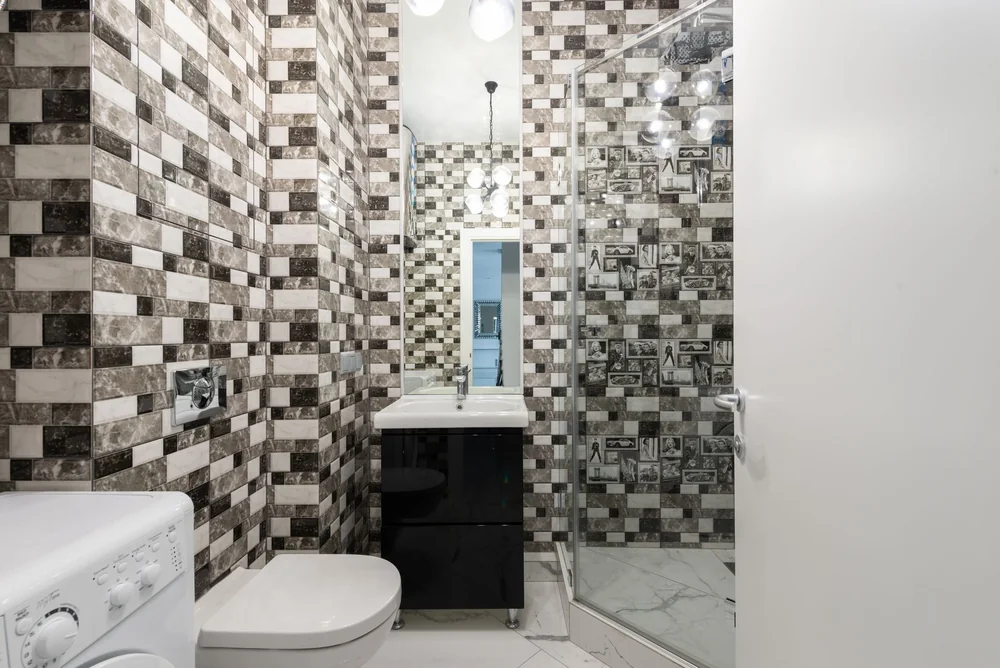
Removing old tile or finishes may expose damaged wall or floor areas that need repair before you can renew the bathroom surface.
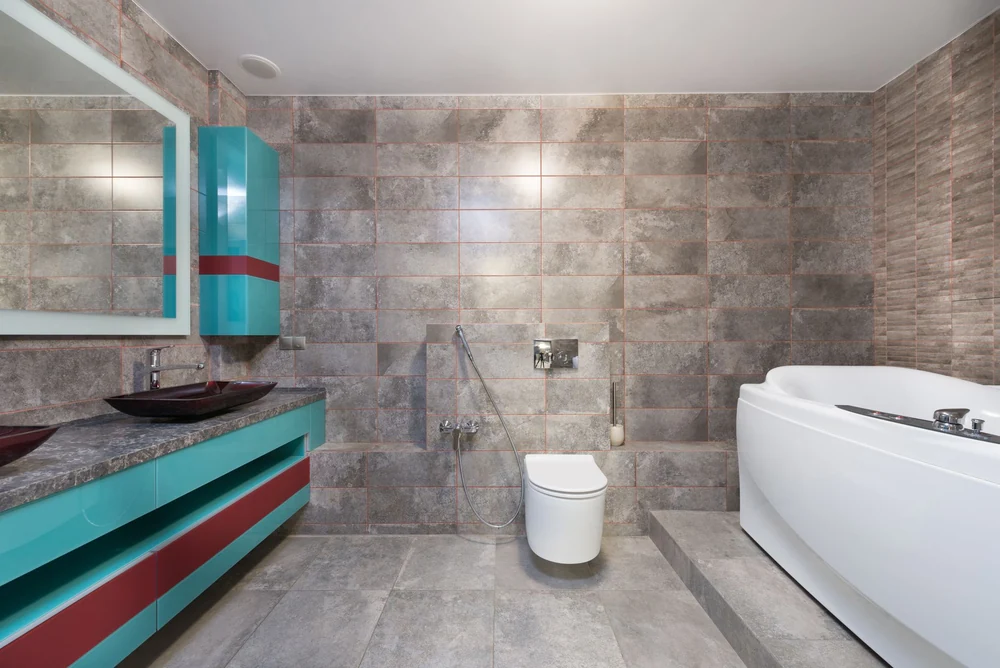
Storage, fixtures, doors, and walking space can overlap in compact bathrooms, making small placement decisions important to comfortable everyday use.
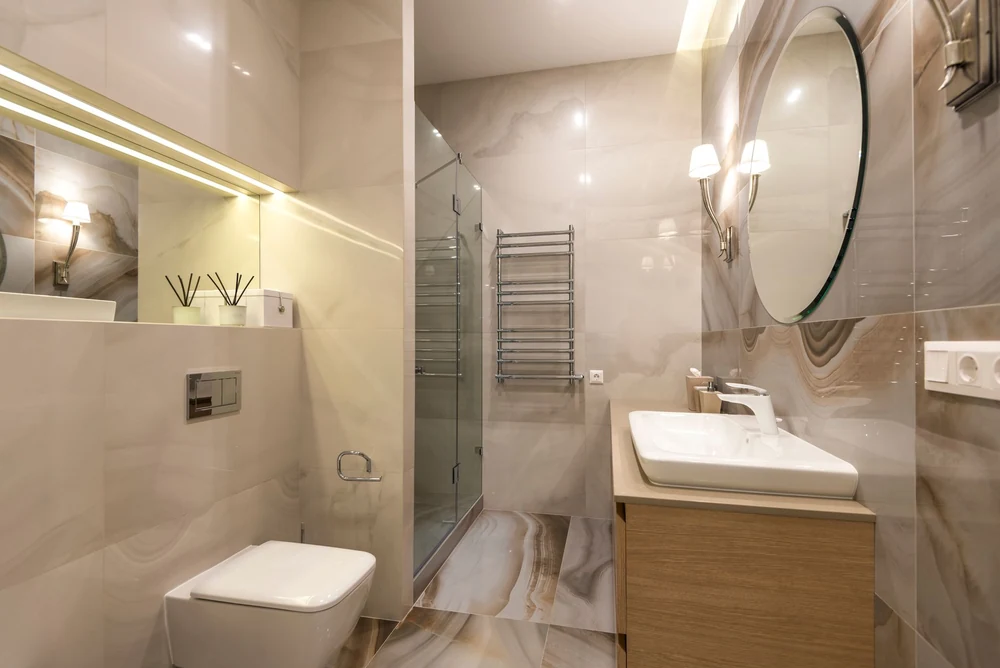
When bathroom work connects with adjoining rooms or broader interior changes, a home remodeling contractor can help fit those improvements into a larger renovation scope.
Bathroom remodeling requires decisions around moisture, available floor area, fixture placement, surface condition, and everyday maintenance. The work should address the elements that affect how the room performs without automatically replacing features that remain functional.
Recommendations can focus on practical concerns such as cramped movement, worn surfaces, storage limitations, fixture placement, or areas where moisture has affected the room.
Homeowners can review flooring installation options based on moisture exposure, existing floor conditions, transitions between materials, maintenance expectations, and the finished look desired for the bathroom.
Usable fixtures, finishes, or other bathroom elements can remain when they continue to serve the room properly, keeping the renovation focused on genuine improvement areas.
The remodeling scope stays connected to the bathroom itself, distinguishing required preparation and repairs from optional changes that are not necessary for the planned renovation.
Bathroom work moves from assessing high-use, moisture-prone areas to preparing surfaces and completing the chosen improvements. Each stage addresses a different condition within the room.
Review shower areas, flooring, walls, fixtures, storage, door movement, and visible damage to identify what is affecting the bathroom now.
Separate necessary repairs from desired upgrades, and decide which surfaces, fixtures, finishes, or access issues should get attention first.
Complete required wall, floor, or surface preparation so approved tile, flooring, paint, and other bathroom finishes have a suitable base.
Finish remaining transitions, painted surfaces, trim, and visible details after installing and preparing the primary bathroom improvements.
Have questions about your bathroom layout, surfaces, or finishes? Book Now to discuss them.
Consider the extent of damage, loose areas, cracked sections, surface deterioration, and the condition beneath the affected tile. Isolated problems may require limited work, while widespread deterioration or unsuitable underlying surfaces can make broader replacement more practical within the remodeling project.
Yes. Keeping major fixtures in their existing positions can work when the current arrangement provides comfortable access and movement. Flooring, tile, paint, storage, finishes, and selected fixtures may still be renewed without redesigning the entire bathroom footprint or changing every location.
Consider moisture exposure, cleaning needs, foot traffic, slip characteristics, doorway transitions, and the existing floor beneath the finished material. Different products have different installation requirements, so the condition of the substrate and its connection to adjoining flooring should also be reviewed.
The installation surface must be appropriate for the selected tile system and wet-area application. Existing damage, uneven surfaces, removed materials, or unsuitable wall conditions may require preparation first. Tile installation for bathrooms should account for the condition of the installation area.
They can be scheduled within the same broader renovation when doing so makes sense for the household and project. Kitchen remodeling services should still have a separate scope because kitchen surfaces, storage, circulation, fixtures, and daily activities differ from bathroom requirements.
Explore customer feedback on the service experience, project communication, and finished results.


 Trustindex verifies that the original source of the review is Google.
 Trustindex verifies that the original source of the review is Google.
 Trustindex verifies that the original source of the review is Google.
Address the surfaces, fixtures, and everyday limitations affecting how your bathroom works now.