
Home / Blog / Flooring guide
How each floor handles humidity, spills, pets and everyday wear, and which one we’d choose for each room.
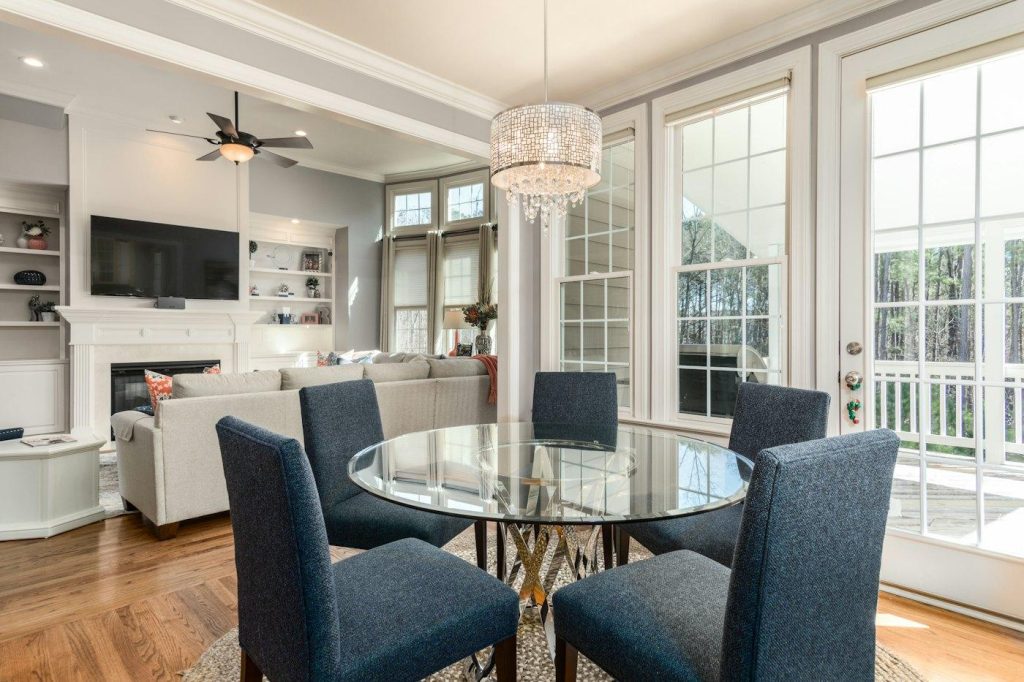
New flooring changes how a home looks, sounds and feels underfoot. It’s also a big decision you’ll live with for years. Here’s how the three floors we install most often compare, and how to choose.
Central Arkansas summers are hot and humid, and spring brings plenty of rain and mud tracked in the door. Floors in Little Rock homes have to deal with moisture in the air, wet shoes, pets and kids. Some materials handle that better than others, so it’s worth matching the floor to the room.
LVP is the floor we’re asked about most, and for good reason. Quality planks look like real wood, feel warmer and softer than tile, and many have a waterproof core.

Porcelain and ceramic tile are about as tough as floors get. Tile doesn’t mind water, holds up to heavy traffic and can last for decades when it’s installed on a solid, flat base.
Laminate uses a printed wood-look layer under a tough, clear wear layer. It’s budget-friendly and very resistant to scratches, which makes it popular in homes with dogs.
What about epoxy? For garages, basements, workshops and commercial spaces, epoxy flooring creates a seamless, easy-to-clean surface that stands up to chemicals and heavy use. Ask us about it at your estimate.
| LVP | Tile | Laminate | |
|---|---|---|---|
| Water | Often waterproof | Waterproof | Usually water-resistant only |
| Comfort | Soft and warm | Hard and cool | Firm, fairly warm |
| Scratches | Good | Excellent | Very good |
| Upkeep | Sweep and damp mop | Mop, clean grout | Sweep, lightly damp mop |
| Best rooms | Kitchens, basements, whole home | Bathrooms, laundry, entries | Living rooms, bedrooms |
A floor is only as good as what’s under it. On a typical flooring job we remove the old floor, check the subfloor for soft spots and fix anything that isn’t flat or solid. Then we lay the right underlayment, install the new floor and finish with trim and clean transitions between rooms.
Skipping the prep is the most common reason new floors squeak, gap or crack. It’s the part we take the most care with.
We’ll look at your rooms, talk through how you use them and give you a free estimate for the options that fit.
Call any time or book a free estimate. We’ll help you choose and install the right floor for every room.