
Upgrade worn or outdated business floors with a commercial flooring contractor in Little Rock, AR, for installation, replacement, surface preparation, material coordination, and finished transitions.
Commercial flooring projects often begin with a problem beneath everyday activity. Worn areas may develop along entrances, circulation paths, workspaces, or customer-facing sections where repeated use gradually affects the existing surface.
Before selecting a replacement, consider the existing floor alongside the room’s purpose and the condition beneath it. Material removal, surface preparation, adjoining floors, and transition points can all influence the finished installation. For properties undergoing several interior upgrades, commercial remodeling services may be coordinated separately with the flooring work.
A business floor has to function within the environment where it is installed. Office areas may have consistent foot traffic, retail spaces may experience heavier customer movement, and other commercial areas may require surfaces suited to frequent use and routine maintenance.
Material selection should therefore follow the property’s requirements rather than appearance alone. The available project scope may include LVP, tile, replacement flooring, preparation, and transitions. Each element needs to work with the existing interior and the conditions of the designated installation area.
Install suitable LVP in commercial areas where its appearance, application, maintenance requirements, and expected level of use align with the project.
Use suitable tile flooring where the material complements the property's function, existing construction, and the designated commercial space's requirements.
Refresh worn or outdated office flooring while considering workstations, circulation routes, furniture placement, and the overall condition of adjoining surfaces.
Update retail flooring in areas where customer traffic, merchandise displays, entrances, or existing wear have affected the current surface.
Remove unsuitable existing flooring and install a replacement when deterioration or changing property requirements make continued use impractical.
Prepare the underlying area as required by the selected flooring, addressing existing conditions that could affect installation quality or finished appearance.
Coordinate connections between different flooring materials, rooms, and elevations so adjoining commercial areas have deliberate and functional transitions.
Provide flooring improvements for leased spaces when the tenant's planned interior requires a new, replacement, or finished floor surface.
Speak with Just Call Zoba LLC about your residential or commercial improvement, repair, or remodeling requirements and request a project estimate.
Tell us what your property needs, and we’ll respond.
Share your project details so our team can review them.
The finished material is only one part of a commercial flooring system. Existing adhesives, uneven areas, damaged subfloors, previous flooring layers, and changes between rooms can influence the preparation required before installation.
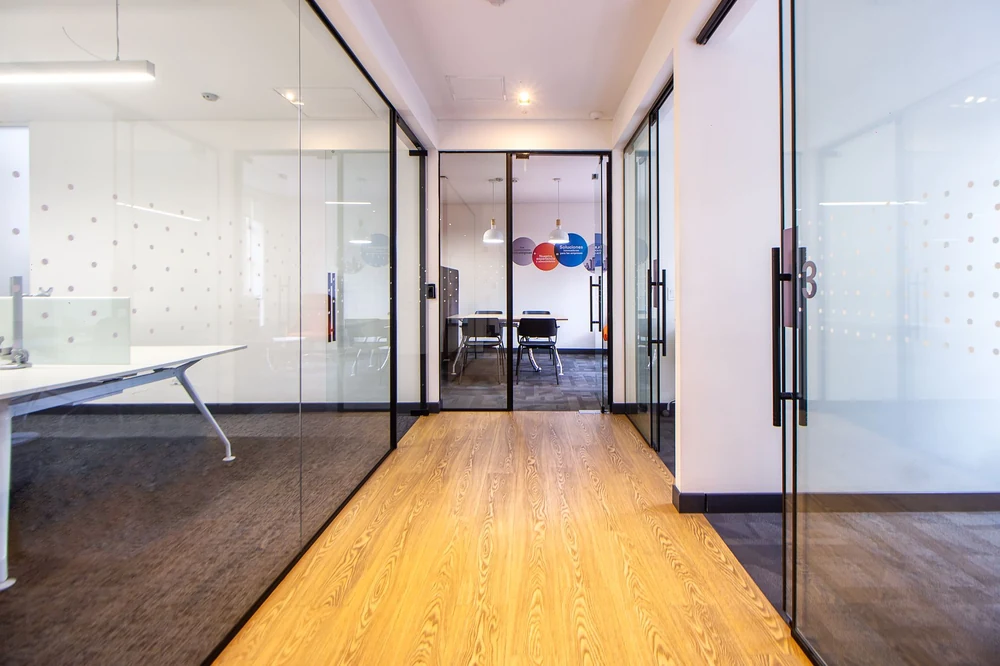
Uneven or damaged areas beneath the finished material may require attention before new flooring can be installed appropriately.
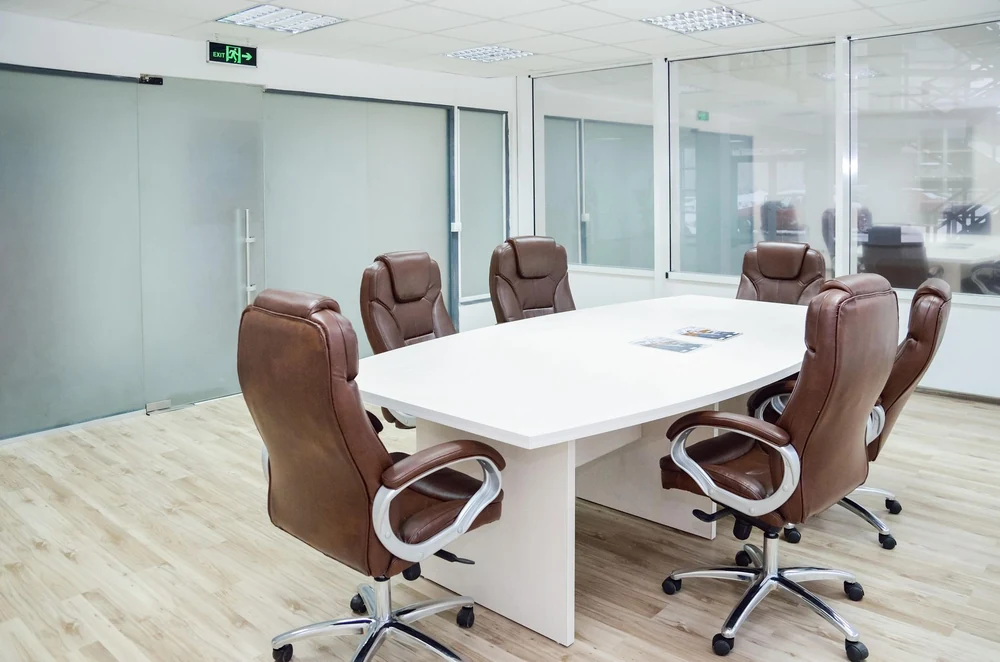
Existing flooring may need to be removed when its condition or construction prevents the selected replacement material from being installed properly.
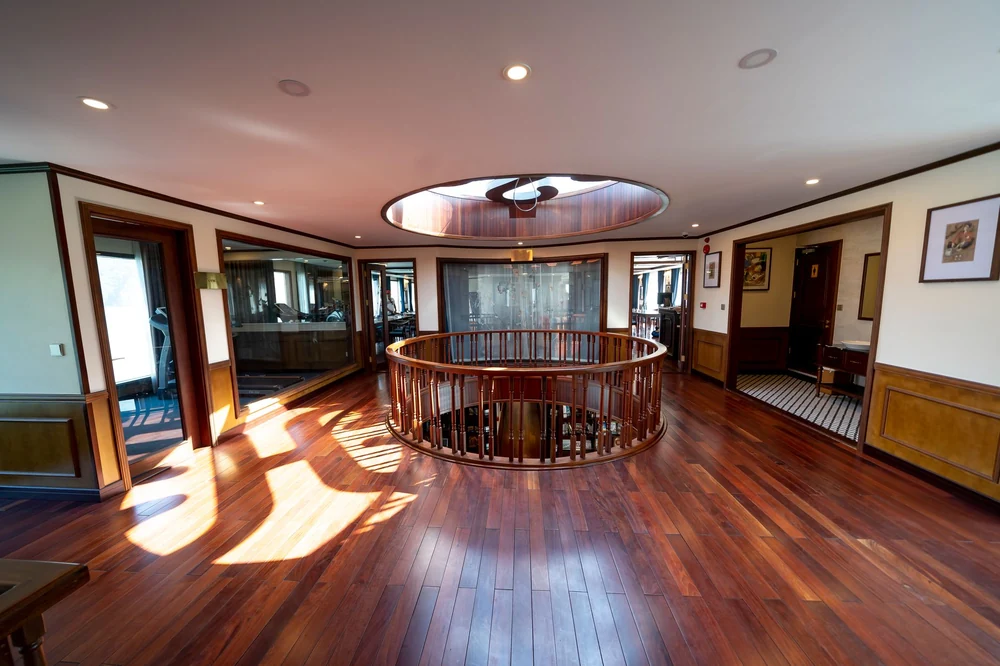
Floor replacement can intersect with other renovation activities. Where wall construction is also required, commercial drywall and framing can be handled as a separate component of the property improvement.
The finished floor should suit how the property is actually used. Traffic patterns, room function, existing finishes, maintenance expectations, and adjacent surfaces all contribute to a sound flooring decision.
Choose flooring based on the area’s demands rather than relying solely on color, pattern, or initial appearance.
Address the existing surface before installation so the selected material has a proper base for the finished project.
Pay attention to thresholds and connections between rooms so flooring changes look deliberate and remain practical for everyday movement.
When flooring is part of a wider interior update, commercial painting can be scheduled around the flooring work to coordinate the finished space.
Work progresses based on the property’s existing conditions, moving from assessment and preparation through installation, transition work, and final inspection.
Review current materials, visible wear, affected areas, surrounding surfaces, and conditions beneath the proposed installation area.
Remove appropriate existing materials and complete required preparation so the designated surface is ready for the selected flooring.
Install the approved flooring throughout the designated area, maintaining proper alignment and connections between adjoining sections.
Review the finished surface, edges, transitions, visible alignment, and affected areas to identify any remaining concerns.
Planning a flooring upgrade for your business? Book Now to discuss the property and installation requirements.
Replacement may be appropriate when flooring shows widespread wear, damage, deterioration, or performance concerns that make continued use impractical. The decision should also consider the condition beneath the material, the property’s current use, and whether localized repair would provide a suitable result.
Commercial LVP can be suitable for certain office and retail applications when its characteristics align with the property’s traffic, maintenance requirements, appearance goals, and installation conditions. Base material selection on the specific area rather than assuming the same flooring suits every business space.
Existing flooring may need to be removed when it is damaged, unsuitable, or incompatible with the new installation. Removal can expose underlying conditions such as adhesive residue or uneven areas, which may need preparation before installing replacement flooring.
The subfloor provides the foundation beneath the finished material. Uneven, damaged, or unsuitable conditions can affect installation and appearance. Reviewing the underlying surface helps determine what preparation is needed before installing the selected flooring.
Yes. Different rooms may require different flooring based on function, traffic, appearance, or existing conditions. When you use multiple materials, plan transitions carefully so changes in flooring remain practical and visually consistent throughout the commercial interior.
Explore customer feedback on the service experience, project communication, and finished results.


 Trustindex verifies that the original source of the review is Google.
 Trustindex verifies that the original source of the review is Google.
 Trustindex verifies that the original source of the review is Google.
Improve worn commercial surfaces with carefully planned preparation, flooring installation, replacement, and finishing.