
Whether a fence is damaged, leaning, incomplete, or no longer suitable for the property, fence installation services in Little Rock, AR, can address new sections, repairs, replacement needs, gates, posts, and boundary-related improvements.
A residential fence can serve several purposes, including privacy, access control, separation between outdoor areas, or establishing a more defined yard boundary. Before deciding on repair or replacement, homeowners should identify which function matters most and whether the existing fence still supports it.
Homeowners should also consider the condition of posts, panels, gates, rails, and adjoining sections together. One damaged area may be repairable, while widespread leaning or deterioration may point toward broader replacement. When fencing is part of larger outdoor work, an exterior home improvement contractor can help coordinate related exterior needs without treating every feature as a separate project.
Fence work should respond to the condition of the existing structure rather than assume every project needs complete replacement. Posts may remain sound while individual panels or rails require attention, or a gate may need adjustment even though the surrounding fence remains usable. In other cases, repeated deterioration across several sections can make replacement more practical.
Planning should also account for layout, gate locations, grade changes, adjoining structures, and responsibility for property boundaries. Just Call Zoba LLC approaches residential fence work by identifying which components can remain, which require repair, and where new installation is appropriate. This helps homeowners keep the work proportionate to the actual condition while maintaining a more consistent fence line across the property.
Install new residential fencing where the property needs a defined boundary, privacy improvement, replacement section, or newly enclosed outdoor area.
Replace deteriorated fencing when damage extends across enough posts, panels, rails, or sections that repeated localized repairs become less practical.
Correct damaged sections where individual boards, rails, panels, or related components can be repaired without replacing the entire fence line.
Address loose, leaning, or damaged posts when their condition affects the stability, alignment, or support of adjoining fence sections.
Install or replace gates with attention to opening width, swing clearance, hinge placement, latch position, and connection to the surrounding fence.
Correct gates that drag, sag, bind, or fail to latch properly when the surrounding posts and fence structure remain suitable.
Plan privacy-oriented fencing around yard use, desired screening, fence-height considerations, gate access, and the outdoor area layout.
Repair or install appropriate wood fence components while considering post condition, board alignment, rails, gates, and exposure to outdoor weather.
Speak with Just Call Zoba LLC about your residential or commercial improvement, repair, or remodeling requirements and request a project estimate.
Tell us what your property needs, and we’ll respond.
Share your project details so our team can review them.
Fence projects can become more involved when problems extend below or beyond the visible panels. Unstable posts, uneven ground, damaged adjoining sections, or unclear property boundaries can influence whether a repair remains localized or requires broader work.
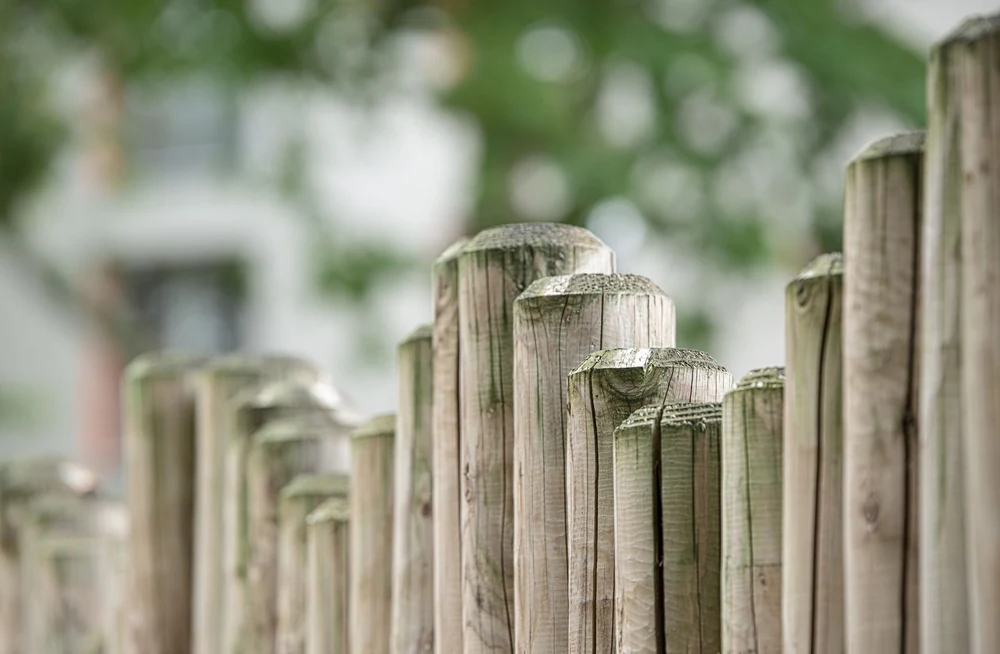
A leaning panel may actually result from a damaged or unstable post, making the supporting structure more important than the visible fence section alone.
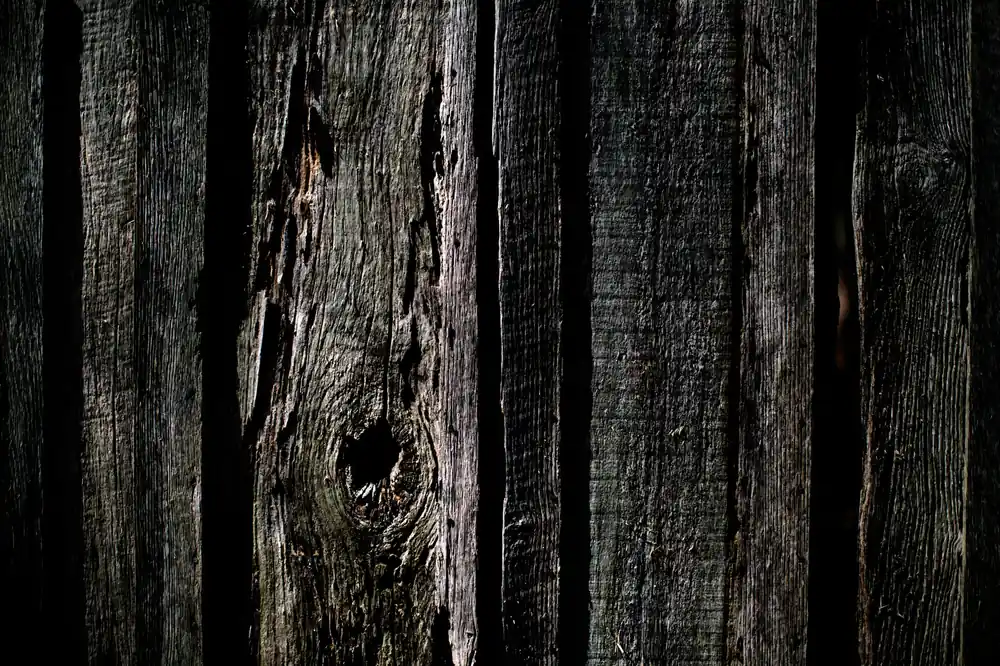
Changes in grade can affect panel alignment, bottom clearance, gate movement, and how consistently a new or repaired fence follows the property.

If nearby cladding or exterior materials are also deteriorated, siding repair services can address damage that falls outside the fence itself.
For homeowners comparing fence installation services in Little Rock, AR, good planning involves more than selecting panels. Post stability, gate operation, section alignment, boundary responsibility, and the condition of existing materials all influence what work is appropriate.
We consider usable components separately from failed ones, so repair and replacement decisions reflect the fence’s actual condition.
Because posts support adjoining fence sections, we assess their condition before using surface-level repairs to correct leaning or instability.
Gate openings, hinges, latches, clearances, and supporting posts are reviewed together so access remains practical after fence work is completed.
Where fencing meets other backyard improvements, deck building services can be planned separately while keeping adjoining outdoor areas coordinated.
The project moves from reviewing the existing fence and intended boundary to identifying reusable sections, completing approved installation or repairs, and checking gates, alignment, and connections afterward.
Inspect posts, rails, panels, gates, visible damage, alignment, and surrounding conditions to determine what parts of the fence need attention.
Separate repairable areas from sections requiring replacement and confirm the planned fence line, gate locations, and approved project boundaries.
Repair or install the approved fence components while maintaining appropriate alignment, support, spacing, and connections between adjoining sections.
Review gate movement, latch operation, post stability, section alignment, and visible connections before the completed fence work is considered finished.
Need help deciding between repair and replacement? Book Now to review your fence condition.
Repair may make sense when damage is limited to a few boards, rails, posts, or one gate and the remaining fence is stable. Replacement becomes more practical when deterioration, leaning, or structural problems affect multiple sections and repeated repairs would leave inconsistent results.
Sometimes. The cause of the leaning should be identified first because damaged posts, loose connections, soil movement, or deteriorated rails may be responsible. If surrounding sections remain sound, localized repair may be possible without replacing the entire fence line across the property.
Property owners should confirm boundary information before installation rather than relying on an existing fence as proof of the legal property line. Surveys, records, local requirements, or neighboring agreements may be relevant depending on the property, so boundary questions should be resolved before work begins.
Gate problems can result from hinge movement, loose hardware, post movement, frame distortion, excessive weight, or changing clearances. Evaluate the gate and supporting posts together because adjusting the latch alone may not fix the underlying alignment issue causing poor operation.
Cleaning can make surface conditions easier to evaluate when dirt, mildew, or buildup obscures the material. When appropriate, pressure washing services can remove exterior buildup, but cleaning does not fix loose posts, damaged boards, failed rails, or structural deterioration.
Explore customer feedback on the service experience, project communication, and finished results.


 Trustindex verifies that the original source of the review is Google.
 Trustindex verifies that the original source of the review is Google.
 Trustindex verifies that the original source of the review is Google.
Improve your outdoor space with a properly planned fence solution and request a fence estimate for your property.