
When a door no longer closes properly or its frame and weather seal have deteriorated, door installation services in Little Rock, AR can address replacement needs along with hardware fit, swing clearance, sealing, and nearby finish coordination.
A door should open, close, latch, and seal without forcing the frame or surrounding finishes to compensate for poor fit. Before replacement, it is important to look at the slab, jambs, threshold, hinges, hardware, wall condition, and the way the opening is used each day.
Interior and exterior doors have different demands. Entry doors must address exposure and sealing, while interior doors depend more on clearance, alignment, privacy, and room-to-room function. When door work is part of broader home remodeling services, planning the opening alongside nearby walls, flooring, or trim can help the finished work connect more naturally.
Door installation requires the opening, frame, hinges, latch, threshold, hardware, and surrounding finishes to work as one system. Interior doors depend on accurate clearances and alignment, while exterior doors add exposure, perimeter sealing, and threshold conditions to the installation requirements.
A project may involve replacing an existing door, fitting a new unit into a prepared opening, adjusting frame components, installing approved hardware, or coordinating trim around the completed work. The selected door should also suit the way the opening is used, including swing direction, privacy, access, and traffic flow. Where entry work overlaps with exterior home improvements, surrounding cladding, trim, or other exterior details can be coordinated separately so the door installation remains properly defined within the broader project scope.
Replace worn, damaged, or poorly operating doors while accounting for the existing frame, opening dimensions, hardware locations, and surrounding finish conditions.
Install new interior doors in prepared openings with attention to swing direction, clearance, latch alignment, hardware fitting, and nearby wall finishes.
Fit exterior doors considering threshold height, perimeter sealing, exposure, hardware, and how the unit meets surrounding exterior materials.
Assess jambs and frame components where alignment, damage, or previous alterations could affect how the door hangs, closes, or accepts hardware.
Fit approved hinges, handles, locks, and related hardware so their positions support consistent movement, latching, and everyday use of the door.
Address perimeter sealing around suitable exterior door installations to help limit unwanted air and water movement at the completed opening.
Coordinate casing and nearby finishes so the installed door relates cleanly to walls, flooring, baseboards, and other visible elements around the opening.
Plan entry-door replacement around exterior exposure, threshold condition, hardware needs, frame suitability, and the visual relationship with the home façade.
Speak with Just Call Zoba LLC about your residential or commercial improvement, repair, or remodeling requirements and request a project estimate.
Tell us what your property needs, and we’ll respond.
Share your project details so our team can review them.
Door replacement can expose problems that were not obvious while the old unit was in place. Frame movement, damaged jambs, uneven floors, worn thresholds, or previous alterations can all affect fit, swing, sealing, and final hardware alignment.
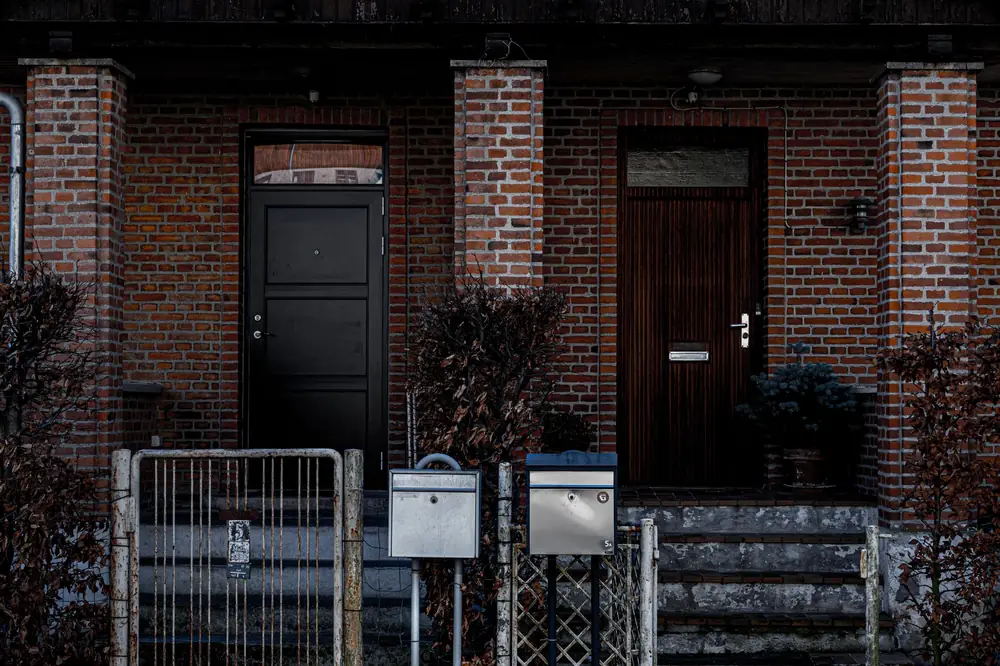
Frames that are out of square, damaged, or previously altered can prevent a replacement door from hanging evenly or latching consistently.
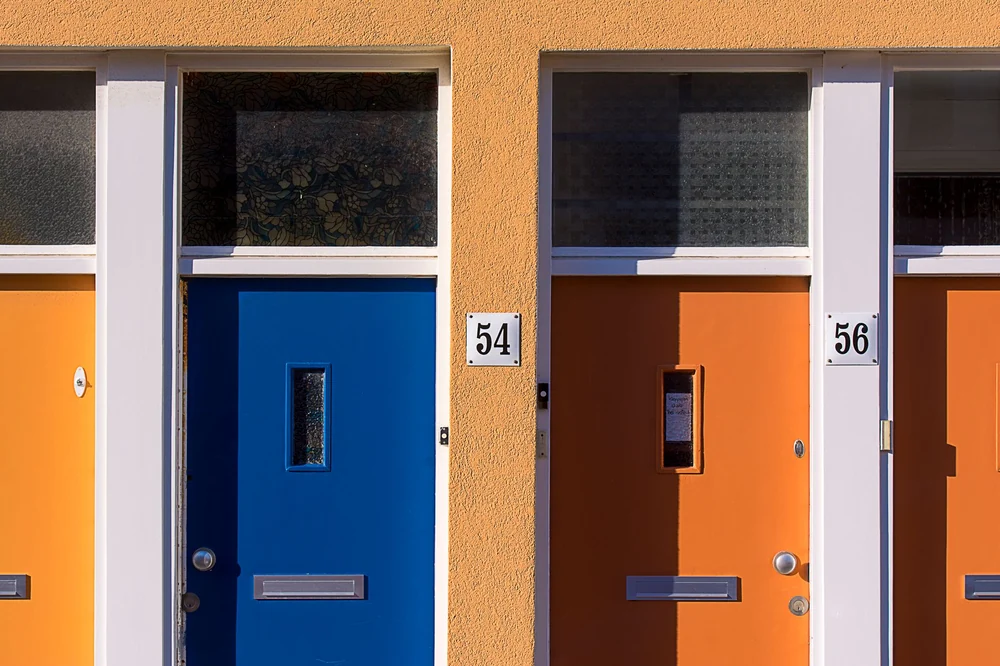
Flooring height changes can reduce door clearance or interfere with swing, especially when new surfaces have been added after the original installation.
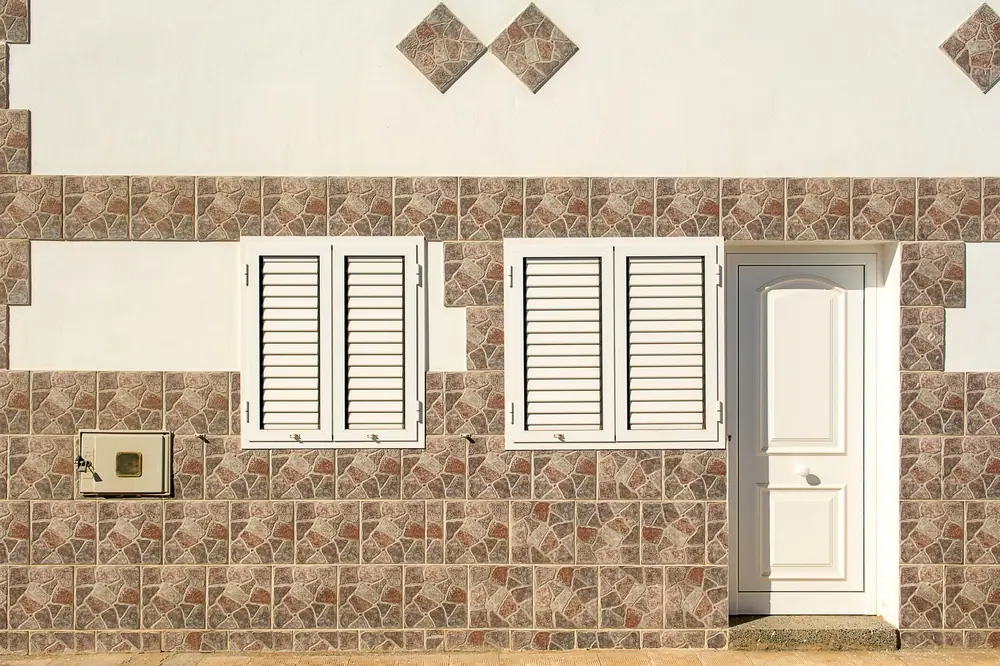
Worn thresholds, failed seals, or deteriorated exterior materials can affect how an entry door closes and protects the opening from weather exposure.
Just Call Zoba LLC approaches door installation by focusing on the opening, hardware, clearances, and surrounding finishes. For homeowners comparing door installation services in Little Rock, AR, these details help distinguish a properly integrated installation from a basic door swap.
Opening measurements are considered alongside the selected door and frame condition so fitting decisions reflect the actual installation area rather than assumptions.
Swing direction, floor clearance, hinge placement, and latch alignment are checked together because each detail directly affects how the door operates.
Interior trim, exterior casing, thresholds, and nearby finishes are considered during installation so the completed opening looks deliberate rather than pieced together.
When adjacent openings also need attention, window installation services can be coordinated separately without treating doors and windows as interchangeable installation projects.
The installation sequence follows the opening itself, from confirming dimensions and surrounding conditions to fitting the unit, setting hardware, checking operation, and completing approved trim or sealing details.
Measure the opening, review the frame, confirm swing direction, and note floor, trim, threshold, or wall conditions that may affect installation.
Remove the existing door or components as required and complete approved preparation so the opening is ready for the selected replacement unit.
Position the door, set hinges and hardware, verify clearances, and make the adjustments needed for smooth movement and consistent latching.
Complete approved trim, threshold, and sealing details, then confirm that the door opens, closes, latches, and locks correctly as intended.
Planning a replacement door? Book Now to review fit, frame, and hardware requirements.
A door may need replacement when problems involve the slab, frame, hardware alignment, or overall fit rather than one repairable part. Persistent sticking, sagging, damaged edges, failed seals, or repeated latch problems are common reasons to evaluate the entire opening before deciding.
Not always. A sound, square frame may sometimes remain if it is compatible with the replacement door and hardware. Damaged, twisted, deteriorated, or poorly aligned frames can interfere with fit and operation, so the existing frame should be evaluated before reuse.
An exterior door should close evenly, latch without force, and maintain appropriate contact with its weather seals. Visible daylight, recurring drafts, water entry, uneven gaps, or excessive compression can indicate fitting, sealing, frame, threshold, or hardware alignment problems around the opening.
Swing direction affects clearance, furniture placement, traffic flow, switches, fixtures, and how people move through the opening. It should be confirmed before installation because changing the swing later may require different hinges, latch, frame, hardware, or surrounding finish arrangements afterward.
If damaged trim, wall surfaces, framing, or other surrounding conditions extend beyond the door installation itself, home repair services may be appropriate. Separating those repairs from the door scope helps clarify which work is needed before or after installation.
Explore customer feedback on the service experience, project communication, and finished results.


 Trustindex verifies that the original source of the review is Google.
 Trustindex verifies that the original source of the review is Google.
 Trustindex verifies that the original source of the review is Google.
Review the opening and request a door installation estimate for your project.