
For walls, ceilings, trim, doors, and exterior surfaces that need renewal, painting services in Little Rock, AR combine preparation, appropriate coatings, repairs, and careful finish application based on the condition of each surface.
Painting can serve different purposes depending on the property. One area may need a cleaner, more current appearance, while another may need better visual consistency between walls, trim, doors, or adjoining spaces. Some projects involve a single room, while others cover several areas at once.
The first step is deciding what result matters most. Homeowners can compare which surfaces feel outdated, which colors no longer suit the space, and whether connected areas should be updated together. This gives the project clearer direction before considering specific paints, finishes, or application details.
Different parts of a property place different demands on painted surfaces. Interior walls need even coverage, trim requires precise edges, ceilings can reveal old repairs, and frequently handled doors experience repeated contact. Exterior surfaces face exposure that interior rooms do not. With painting services in Little Rock, AR, preparation and coating choices can reflect those differences.
Homeowners may use interior painting services for occupied rooms, walls, ceilings, and trim, while exterior work needs separate preparation and coating decisions. Sheen, durability, surface type, cleaning needs, and previous finishes can also influence the final result, making each painted area more than a simple color-selection decision.
Interior walls can be prepared and repainted to address worn appearance, previous colors, patched areas, and surfaces that no longer look consistent.
Ceilings may need patch correction, stain preparation, or surface work before paint can create a cleaner and more even overhead finish.
Baseboards, casings, and other trim benefit from careful preparation and controlled application so edges remain defined beside surrounding wall surfaces.
Doors can be prepared around scuffs, worn coatings, and frequently handled areas before receiving a new finish suited to regular use.
Dedicated exterior painting services can address exposed surfaces where preparation and coating choices must account for outdoor conditions.
Primer can help where bare material, repaired sections, stains, or major color changes could otherwise influence coating adhesion or final appearance.
Finish selection should reflect cleaning needs, light reflection, room use, and the level of surface visibility expected after painting.
Repair dents, holes, cracks, and other damaged areas that would remain visible beneath paint or interfere with the finished surface.
Speak with Just Call Zoba LLC about your residential or commercial improvement, repair, or remodeling requirements and request a project estimate.
Tell us what your property needs, and we’ll respond.
Share your project details so our team can review them.
Paint cannot compensate for every defect beneath it. Loose coatings, damaged drywall, uneven repairs, or inconsistent textures can remain visible or affect adhesion unless the underlying surface receives appropriate preparation first.
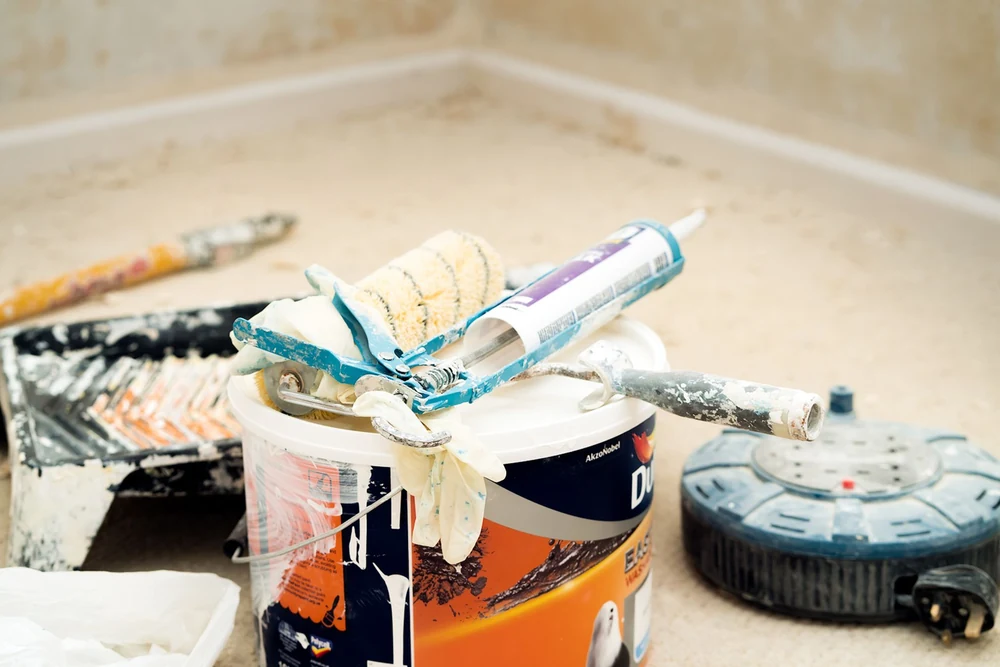
When wall damage extends beyond basic patching, repairing drywall before painting can create a better base for primer and paint.
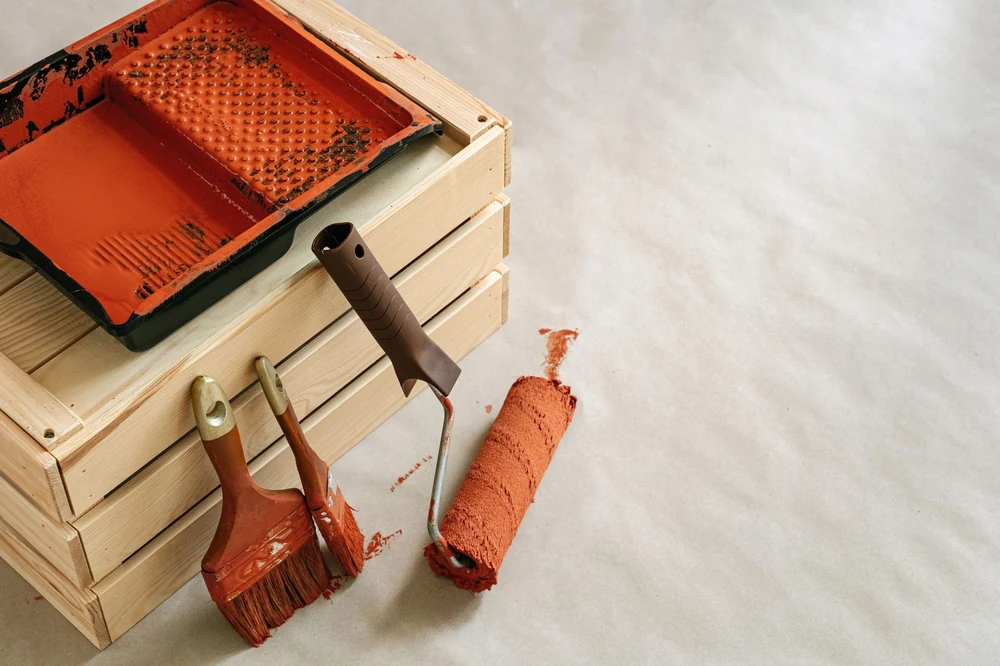
Peeling, flaking, or poorly bonded paint may need preparation or removal before a new coating can adhere properly to the underlying surface.
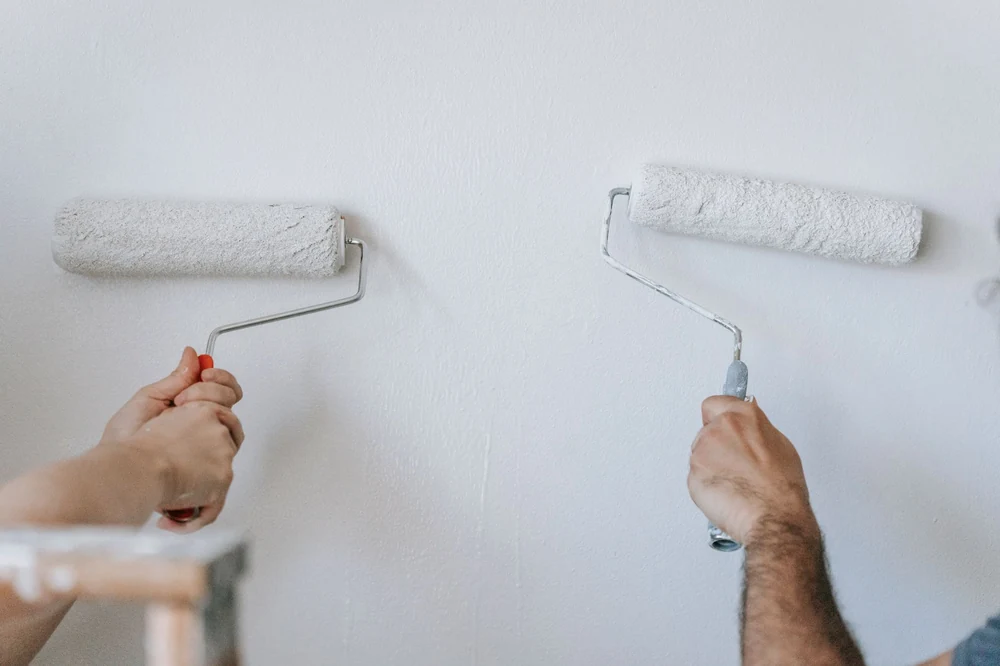
Old patches, repaired sections, and inconsistent texture can show through fresh paint unless those areas are prepared to match the surrounding walls.
A lasting paint finish depends on more than the selected color. Existing coatings, surface damage, material type, moisture exposure, and the condition of edges and joints can all influence how the finished work looks and performs.
Loose coating, dirt, uneven areas, holes, and other surface issues can require cleaning, sanding, patching, or priming before the new paint is applied.
Walls, ceilings, trim, doors, and exterior surfaces can require different preparation methods because their materials, exposure levels, existing finishes, and patterns of wear are not the same.
Cracks, dents, peeling areas, and other defects should be addressed where necessary before coating so the new finish does not simply highlight or cover an unresolved surface problem.
Businesses may have larger or differently configured areas that require a distinct approach. Property owners can review commercial painting services for painting needs within non-residential spaces.
The work moves from identifying surface conditions to preparing the base, applying the selected coating, and checking visible details after completion.
Review walls, ceilings, trim, doors, or exterior surfaces for damage, previous coating failure, staining, or other preparation needs.
Complete approved cleaning, patching, sanding, repair, or priming so each surface is better prepared for the new coating.
Apply paint based on surface type, coverage requirements, chosen sheen, and the areas included in the agreed painting scope.
Check coverage, edges, trim lines, transitions, and surface consistency to identify and address any remaining touch-up needs.
Unsure what your surfaces need before repainting? Book Now to discuss the project.
Repainting may be enough when the existing surface is stable and mainly looks faded, marked, or dated. Repair becomes more important when cracks, damaged drywall, loose material, peeling coatings, or uneven patches would show through the new finish.
Yes. Drywall, trim, doors, ceilings, previously patched areas, and older painted surfaces can each respond differently. One area may only need cleaning, while another may require sanding, patching, priming, or more substantial repair before coating begins.
Patches can remain noticeable when their texture, porosity, or surface level differs from the surrounding wall. Proper sanding, feathering, priming, and surface preparation help reduce those differences, so repaired areas blend more naturally beneath the finished coating.
Start with the surfaces being painted, how the space is used, existing finishes that will remain, lighting, and the level of cleaning or wear expected. Those practical factors can narrow suitable finish choices before attention shifts to the final color.
Yes. When wall or surface damage is identified before painting, repair work can be completed first so the coating is applied over a better-prepared base. Coordinating those tasks can also reduce the need to disturb freshly painted surfaces later.
Explore customer feedback on the service experience, project communication, and finished results.


 Trustindex verifies that the original source of the review is Google.
 Trustindex verifies that the original source of the review is Google.
 Trustindex verifies that the original source of the review is Google.
Refresh interior or exterior surfaces and request a painting estimate for the property.