
Wallcovering projects can involve more than applying a new pattern. Wallpaper installation service in Little Rock, AR can cover wall preparation, existing-paper removal, adhesive work, pattern placement, smoothing, and detailed finishing around corners and edges.
Wallpaper affects a room through pattern, scale, texture, and visual continuity, so consider the finished result before installation begins. Homeowners should evaluate where the wallcovering will start and stop, how visible seams may be, and whether the existing surface is smooth enough for proper application.
Removal projects require a different assessment. Old adhesive, damaged paper, previous repairs, or uneven wall areas can remain after removal. When wallpaper is part of broader home remodeling services, defining the intended finish in advance helps determine the preparation needed before the wall receives its next treatment.
Wallpaper installation and removal both depend on the condition of the wall beneath the finish. For new wallcoverings, the surface should be clean, stable, and sufficiently smooth to support consistent adhesion. Pattern repeat, panel width, corners, trim, and openings also influence how material is positioned across the room.
Removal work focuses on separating the existing covering while limiting unnecessary wall damage, then cleaning up adhesive residue and correcting visible surface irregularities. Because wallcovering materials and adhesives can behave differently, the method should reflect what is already installed. A wallpaper installation service in Little Rock, AR, should therefore treat preparation, layout, removal, and finishing as connected stages that deliver a controlled, professionally finished wall surface.
Install new wallpaper based on wall dimensions, pattern repeat, material characteristics, and the placement of corners, openings, and architectural trim.
Existing wallcoverings are removed using an approach suited to the material, adhesive, number of layers, and condition of the wall underneath.
Walls may require cleaning, smoothing, patching, or other corrective work before installing new wallcovering over the prepared surface.
Remove residual paste or adhesive after wallpaper stripping so it doesn't compromise the next decorative wall finish.
Repeated or directional designs require precise positioning between strips so motifs continue consistently across the visible wall area.
Plan seams around wall dimensions, pattern repeats, corners, and focal areas rather than placing them without regard for the full surface.
Raised patches, dents, torn drywall paper, or other imperfections may need correction so the finished wallcovering doesn't emphasize underlying defects.
Wallcoverings with distinctive textures, colors, or patterns can create a defined feature when you consider scale and surrounding room finishes together.
Speak with Just Call Zoba LLC about your residential or commercial improvement, repair, or remodeling requirements and request a project estimate.
Tell us what your property needs, and we’ll respond.
Share your project details so our team can review them.
Wallpaper can reveal wall conditions that were concealed by the previous finish. Adhesive residue, uneven patches, damaged drywall, or poorly planned pattern placement can affect the completed result even when the selected wallcovering itself is appropriate.
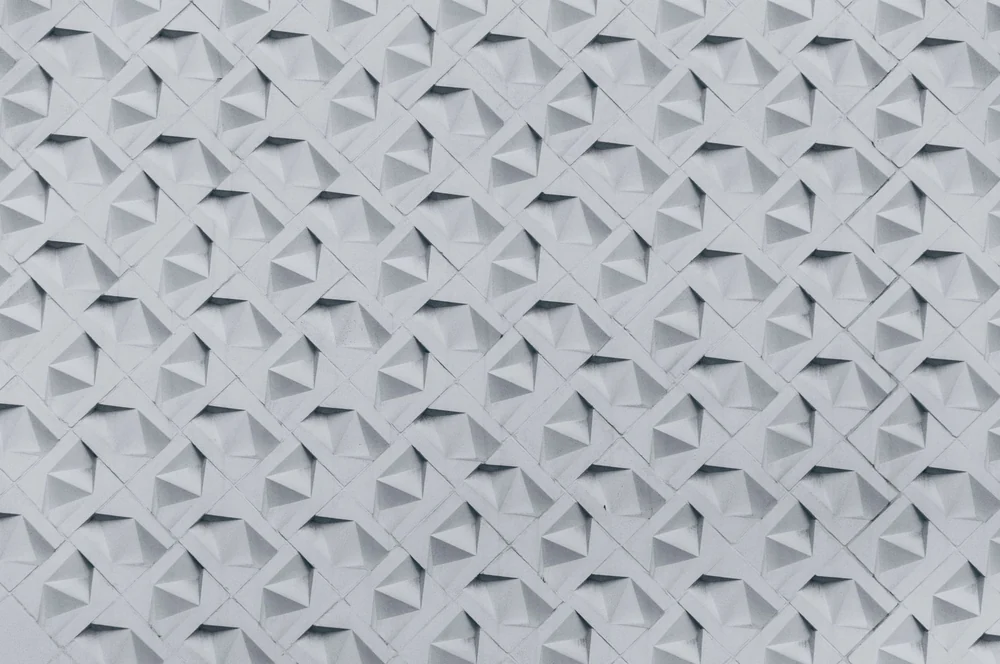
Torn drywall paper, holes, dents, or unstable patches may require drywall repair services before wallpaper can be installed successfully.
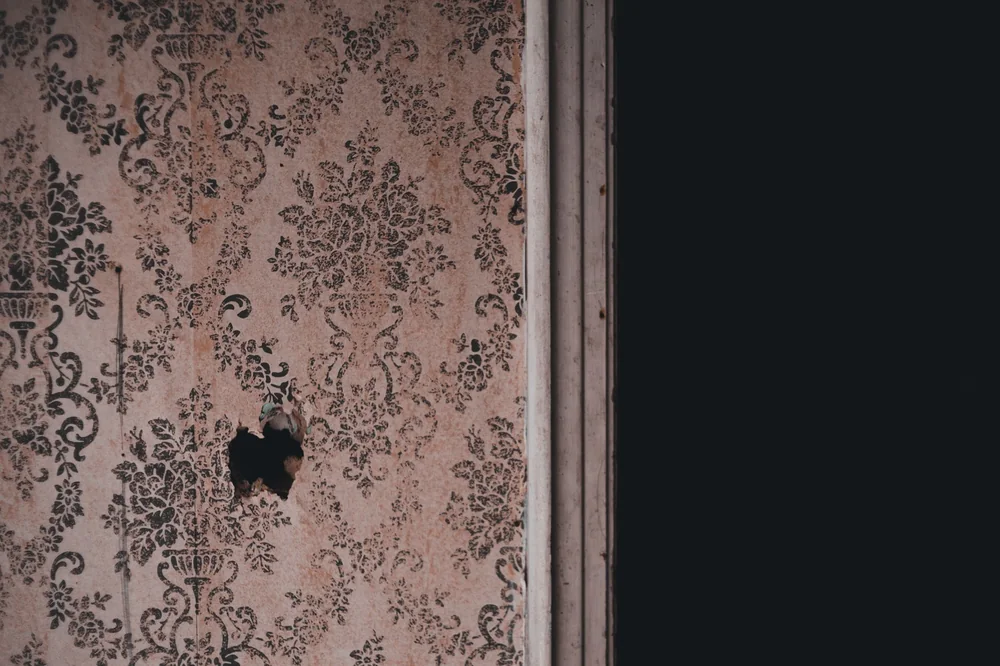
Old adhesive left after removal can create an uneven surface or interfere with later finishes if it is not properly addressed.
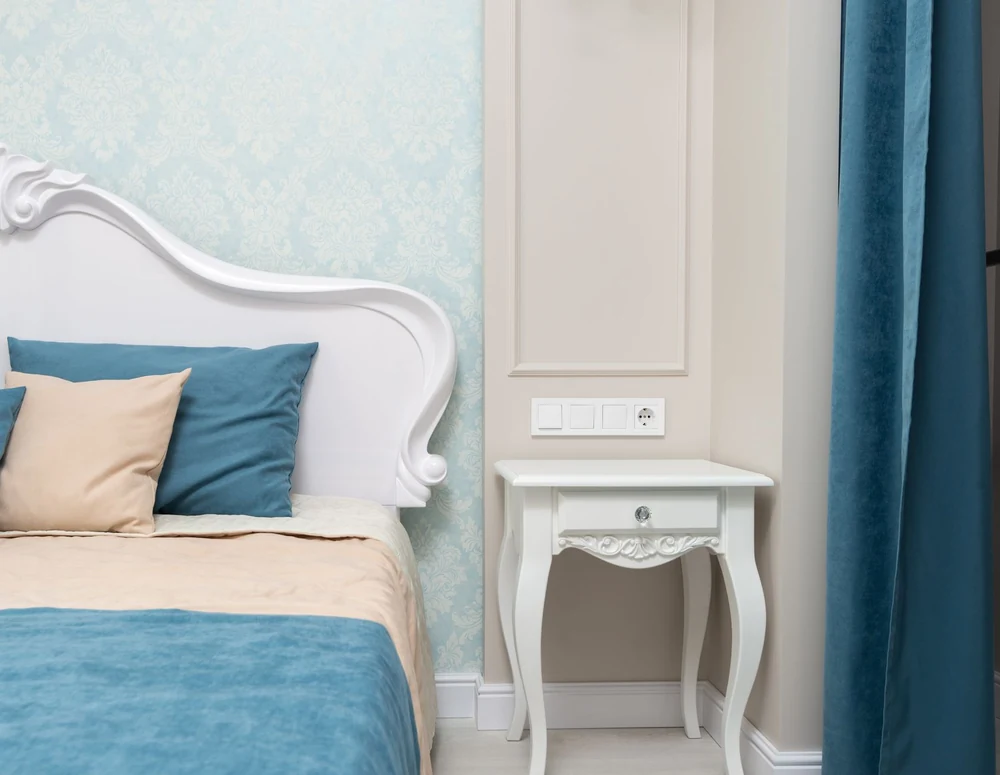
Large, directional, or complex patterns can create noticeable alignment problems when you don’t consider wall dimensions and repeat intervals before cutting.
Professional wallcovering work depends on treating preparation, pattern control, seam placement, and finishing as one coordinated process. Each stage influences how cleanly the material sits on the wall and how consistent the finished surface appears.
Surface suitability is reviewed before installation, so visible defects can be identified and addressed before they affect the wallcovering.
We consider pattern scale and repeat alongside wall dimensions, corners, openings, and focal areas before positioning individual strips.
Wallpaper removal is approached based on the existing material and adhesive, rather than assuming every wallcovering will release the same way.
Homeowners can request wallpaper service according to whether the project involves installation, removal, preparation, or a combination of wall treatments.
The process moves from wall assessment and preparation to measured layout, installation or removal, and final surface finishing, with each stage guided by the condition of the existing wall.
Review existing wallcoverings, surface defects, adhesive, previous repairs, corners, trim, and openings that may influence installation or removal requirements.
Complete the approved cleaning, adhesive removal, smoothing, or localized preparation required for the next wall finish.
Install the selected wallpaper according to the planned layout, or remove the existing material carefully within the approved project scope.
Where the room requires additional repairs or updates, home improvement services can address work beyond the wallcovering itself.
Deciding between removal and new wallcovering? Book Now to review the wall condition.
Wallpaper can usually be installed when the wall is smooth, dry, stable, and free from loose paint, residue, or significant defects. Glossy finishes, textured surfaces, damaged drywall, or old adhesive may require preparation before installation so the wallcovering adheres evenly and stays flat.
Removal time depends on the wallcovering type, adhesive, wall condition, number of layers, and how readily the material releases. Some papers remove in larger sections, while others require more detailed stripping and adhesive cleanup. Wall damage discovered underneath can also extend preparation time.
Wallpaper can sometimes be installed over an existing covering, but it is not always advisable. Loose seams, texture, multiple layers, moisture damage, or incompatible surfaces can affect the new application. Removing the old material usually provides a clearer view of the wall condition beneath.
After wallpaper removal, walls may show adhesive residue, torn drywall paper, dents, uneven patches, or other surface defects. Clean, repair, smooth, and prepare these areas before repainting. Interior painting services can then complete the finish once the surface is ready.
Pattern repeat affects how each strip aligns with the next and can influence material quantity, cut placement, and overall visual balance. Large or directional patterns may require additional planning around corners, doors, windows, and focal walls so the finished design reads consistently across the room.
Explore customer feedback on the service experience, project communication, and finished results.


 Trustindex verifies that the original source of the review is Google.
 Trustindex verifies that the original source of the review is Google.
 Trustindex verifies that the original source of the review is Google.
Plan the next wall finish with Just Call Zoba LLC and a clearly defined service scope.