
For damaged walls, ceiling sections, or unfinished interior surfaces, a drywall contractor in Little Rock, AR, can handle patching, installation, joint finishing, and surface preparation based on the condition and scope of the area.
Drywall problems can look similar while requiring different solutions. A small impact hole may need a localized patch, while widespread cracking, loose panels, damaged corners, or deteriorated ceiling areas can require a broader repair approach. The first step is understanding how much material is affected.
Homeowners should also consider what caused the damage and whether nearby finishes will be disturbed during repair. When wall damage connects to doors, trim, fixtures, or other interior components, home repair services can address related work separately. Defining the affected area first helps keep drywall repairs focused and appropriately scoped.
Drywall work involves more than filling visible damage. Repairs must account for the opening size, panel condition, surrounding joints, fasteners, corners, and the required finish level. New drywall installation also requires proper placement, fastening, joint treatment, and preparation before applying decorative finishes.
Ceiling repairs can require different handling because damaged areas may involve seams, previous patches, or sections that no longer sit evenly. A drywall contractor in Little Rock, AR, should distinguish between surface defects and areas that require material replacement. Once the wall or ceiling has been repaired and finished, interior painting after drywall repair can complete the visual transition, with repainting included as separate follow-up work.
Small and medium wall openings can be repaired using an approach suited to the size, location, and condition of the surrounding drywall.
Drywall cracks should be assessed for location, movement, and surrounding damage before patching so the repair addresses more than the visible line.
Damaged ceiling drywall may require patching, section replacement, joint treatment, or finishing depending on the size and cause of the affected area.
New drywall panels can be installed where walls or ceilings need replacement, enclosure, or completion as part of an approved interior project.
Seams between drywall panels require joint compound, tape, and finishing work so panel connections become less visible beneath the final surface.
Damaged inside or outside corners can require localized repair so edges regain a cleaner, more defined shape before finishing is completed.
Selected areas may need additional compound and smoothing where previous repairs or surface irregularities remain visible across the wall or ceiling.
Completed drywall should be smooth, dry, and finished before applying primer or paint to repaired or newly installed areas.
Speak with Just Call Zoba LLC about your residential or commercial improvement, repair, or remodeling requirements and request a project estimate.
Tell us what your property needs, and we’ll respond.
Share your project details so our team can review them.
Drywall defects aren’t always limited to the visible mark. Repeated cracking, uneven patches, loose material, or damage near adjoining surfaces can affect how you plan the repair and how much surrounding area needs attention.
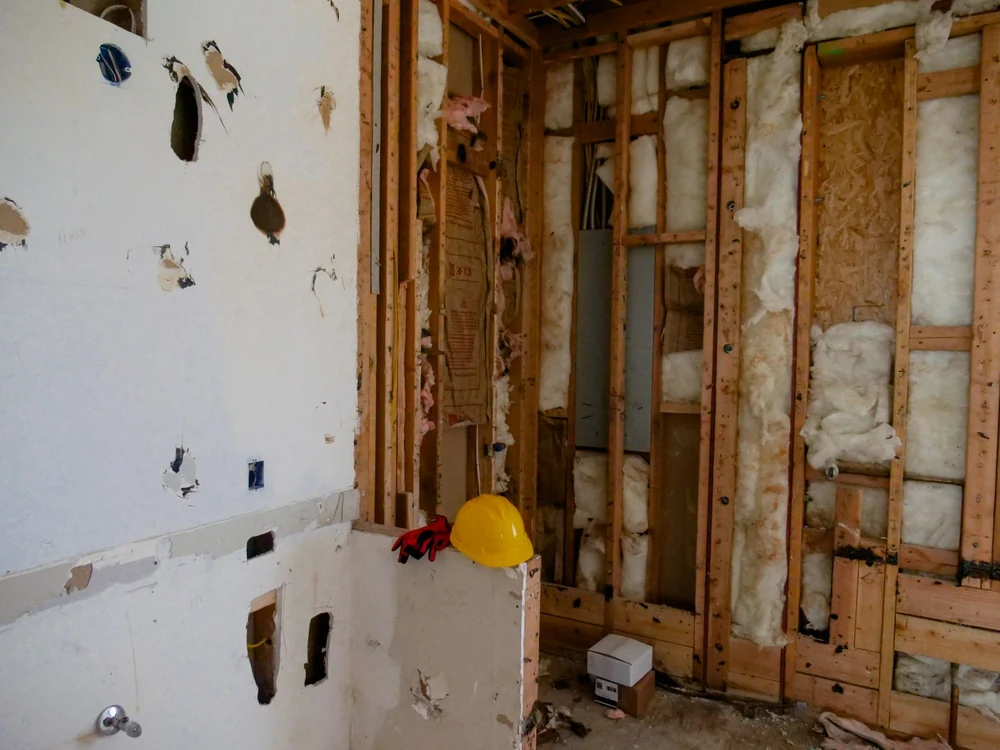
Cracks that return after previous patching may indicate movement or an unresolved condition, so review repeated defects before another repair.
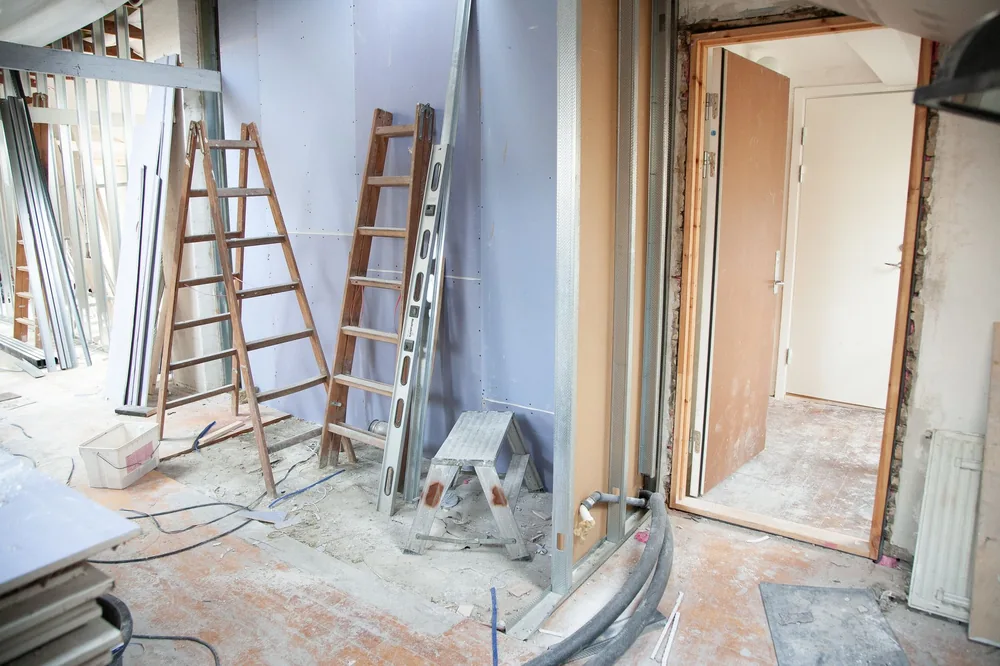
Raised compound, visible tape, mismatched texture, or uneven sanding can make older repairs noticeable and may require additional correction before refinishing.
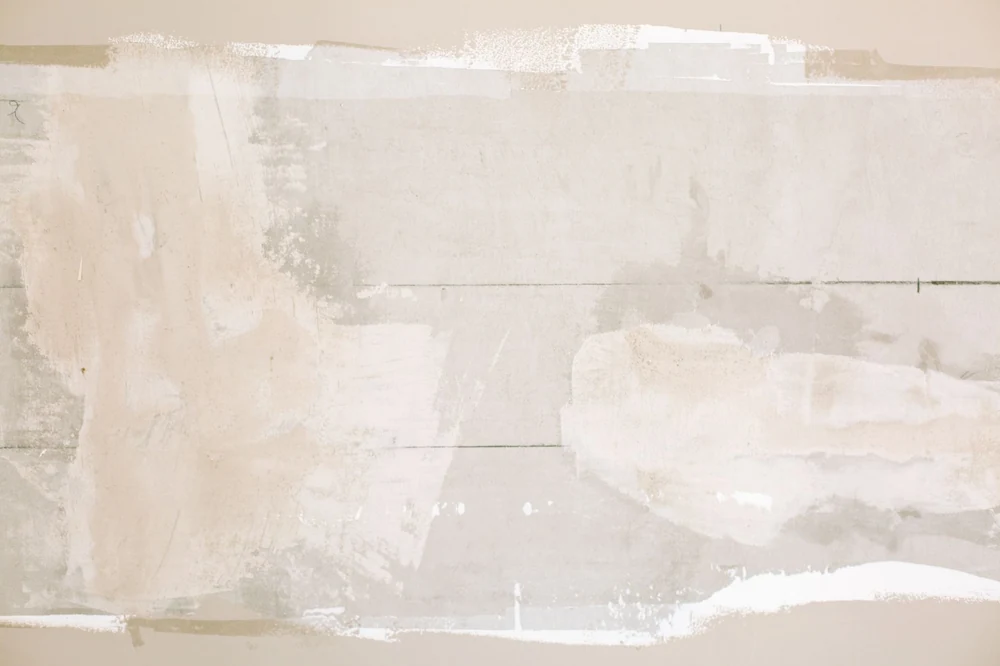
Where drywall work is part of a larger room change, home remodeling services can coordinate related surfaces, finishes, and interior improvements.
Professional drywall work depends on matching the repair method to the damage, not applying the same patching approach everywhere. Material condition, joint placement, finish level, and surrounding surfaces all affect how the completed area should be handled.
The repair method is selected based on damage size, location, panel condition, and whether the surrounding drywall remains stable and suitable.
Technicians tape, compound, feather, and sand with attention to surrounding surfaces so seams and patches blend more naturally after finishing.
Ceiling drywall is approached according to overhead placement, damaged section size, joint location, and how visible the repaired area will remain.
Just Call Zoba LLC keeps residential drywall work centered on the affected wall or ceiling area and the finish needed afterward.
Drywall service moves from identifying the damaged area to removing unsuitable material, rebuilding the surface, and completing joint and finish work before the area is ready for final decoration.
Review the affected wall or ceiling, surrounding joints, previous repairs, panel condition, and nearby features that could influence the repair approach.
Remove loose or damaged material as needed and prepare the opening, panel edge, or surrounding surface for the approved repair method.
Install patches or replacement drywall as needed, then complete fastening, taping, compound application, and other required joint work.
Sand and finish the repaired area to the required level, so it is ready for primer, paint, or other approved surface treatment.
Need help defining the repair scope? Book Now to review the damaged area.
Small holes, cracks, and limited damage can often be patched when the surrounding drywall remains stable. Larger sections may need replacement if the board is broken, deteriorated, loose, or extensively damaged. The repair method should match the condition of the affected area.
Recurring cracks can result from movement, shifting joints, poor previous repairs, or conditions that were not addressed before patching. Filling the crack alone may not prevent it from returning, so evaluate repeated damage before completing another cosmetic repair.
Often, yes. Localized ceiling damage may be repairable by removing and replacing only the affected section, then finishing the surrounding joints. The extent of damage, panel stability, moisture history, and location of seams help determine whether a partial repair is appropriate.
The surface should be dry, stable, and finished to a level appropriate for the intended paint and lighting conditions. Visible ridges, compound edges, sanding marks, or exposed tape can remain noticeable after painting, especially under strong natural or directional indoor light.
Yes. Commercial projects may involve larger layouts, framing systems, occupancy requirements, scheduling, and broader construction scopes. Businesses needing non-residential wall systems can review commercial drywall and framing separately so the service reflects commercial rather than typical household requirements.
Explore customer feedback on the service experience, project communication, and finished results.


 Trustindex verifies that the original source of the review is Google.
 Trustindex verifies that the original source of the review is Google.
 Trustindex verifies that the original source of the review is Google.
Define the damaged area and request drywall service for the appropriate repair scope.