
Refresh tired or inconsistent rooms with interior painting services in Little Rock, AR for walls, ceilings, trim, doors, and other painted surfaces, with each area finished around its use, lighting, and surrounding details.
Interior paint naturally shows the effects of daily use over time. Hallways can collect marks, frequently used rooms may lose their clean appearance, and older finishes can make otherwise well-kept spaces feel tired. Repainting gives homeowners a practical way to restore those visible areas without changing the room itself.
A well-planned project can start with the spaces used most, then expand to other rooms as needed. This allows the home to feel cleaner, more consistent, and better maintained while keeping the existing layout, furnishings, and architectural features intact.
Walls, ceilings, trim, and doors serve different visual roles, so they shouldn’t automatically receive the same approach. Walls establish the main color field, ceilings influence brightness and height perception, trim frames architectural edges, and doors attract attention because they are handled frequently.
With interior painting services in Little Rock, AR, these surfaces can be considered individually while still contributing to one finished room. Where repainting is part of a broader property update, home remodeling services can support related improvements. Just Call Zoba LLC can also keep the work limited to paint when no larger renovation is needed, allowing the room to be refreshed without unnecessary construction.
Walls can be repainted when existing colors feel dated, marked, faded, or no longer complement the flooring, furniture, or finishes that will remain.
Ceiling color can influence brightness, contrast, and how open the room feels, making it an important part of the overall color relationship.
Repaint baseboards, casings, and other trim where their existing finish no longer creates a clean transition around walls, doors, or openings.
Refinish interior doors where worn coatings, fingerprints, scuffs, or outdated colors make them stand apart from newly refreshed rooms.
Consider color relationships between hallways, living areas, bedrooms, and shared spaces when those rooms remain visible from one another.
Sheen should reflect how often the surface is touched or cleaned, how much light reaches it, and the desired level of reflectivity.
A feature wall or selected architectural element can use a contrasting color when the room benefits from a deliberate visual focal point.
Where wall coverings interfere with repainting, wallpaper removal services can expose the underlying surface for further evaluation and finishing.
Speak with Just Call Zoba LLC about your residential or commercial improvement, repair, or remodeling requirements and request a project estimate.
Tell us what your property needs, and we’ll respond.
Share your project details so our team can review them.
Fresh paint can make old inconsistencies more noticeable, not less. Patches, uneven texture, damaged drywall, or strong existing colors may affect coverage and the final appearance if you don’t consider these conditions before repainting.
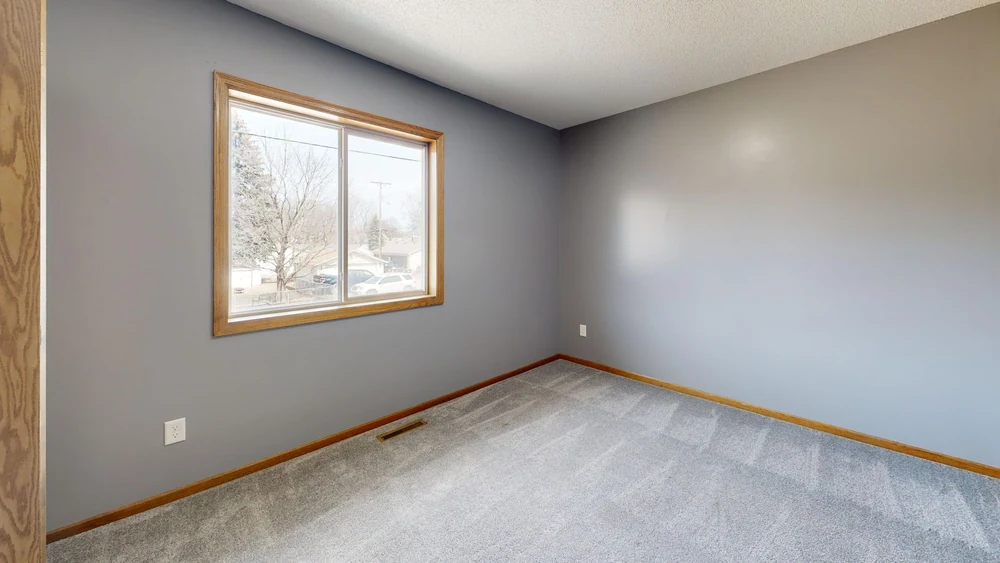
Older repairs may remain visible when their texture, porosity, or surface level differs from the surrounding wall after you apply a new coat.
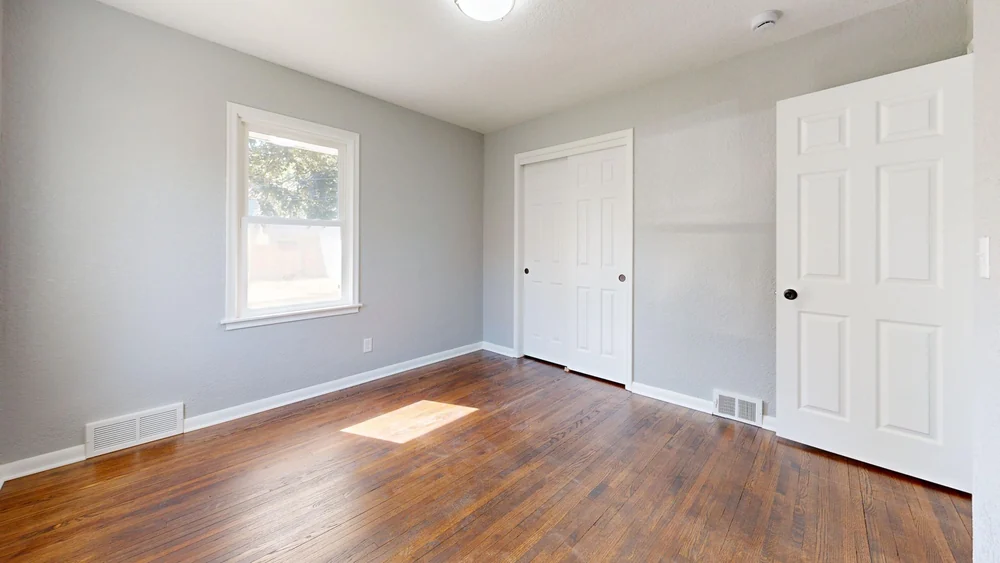
Where cracks, dents, holes, or larger defects require more than basic patching, drywall repair services can address the surface before repainting.
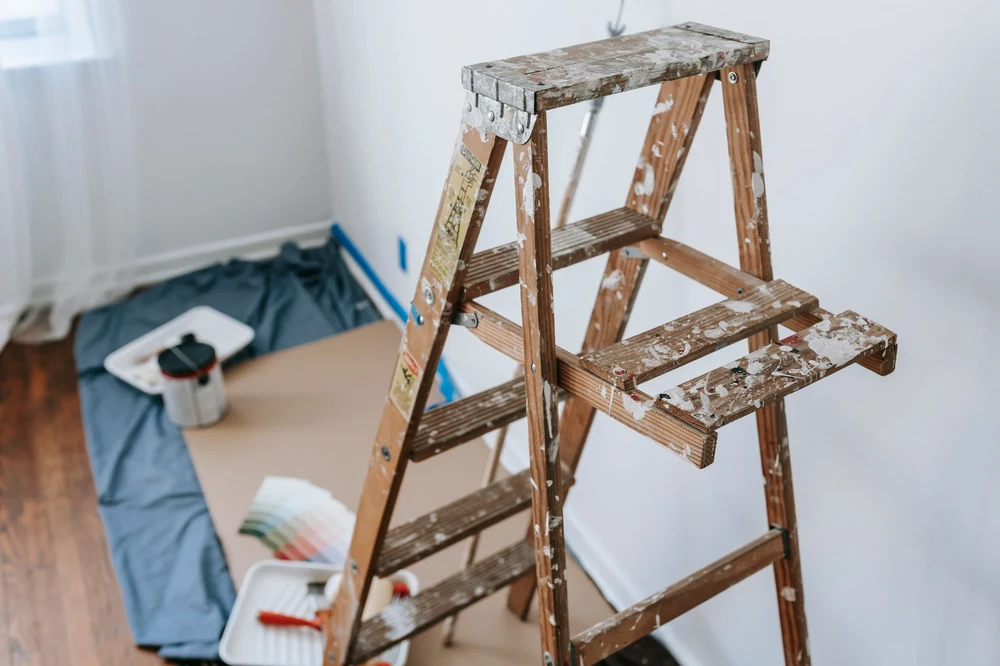
Moving from a dark or saturated color to a much lighter tone can affect coverage expectations and may require a different preparation or coating approach.
Interior painting should improve the entire room, not simply change its color. The service considers how walls, ceilings, trim, doors, lighting, and neighboring spaces work together before judging the finished result.
Color choices are considered alongside light, furnishings, flooring, and adjoining spaces so the updated room feels connected, not isolated.
Ceilings, trim, doors, and other painted details can be included where they influence whether the room feels complete after repainting.
Visible defects can be corrected before applying the finish, preventing new paint from drawing attention to damage that should have been resolved first.
Homeowners planning work beyond individual rooms can review complete painting services for additional painting needs across the property.
The process moves from defining the painted areas to preparing the surfaces, applying the selected finishes, and reviewing the completed room as one visual space.
Identify which walls, ceilings, trim, doors, and rooms will be repainted and which existing finishes will remain unchanged.
Complete approved cleaning, patching, sanding, or repair work where the existing condition could interfere with the finished appearance.
Apply the chosen colors and sheen levels while maintaining clean transitions between walls, ceilings, trim, doors, and adjoining painted areas.
Check coverage, edges, transitions, and overall consistency once the paint is dry enough to evaluate the finished room.
Planning a room refresh? Book Now to discuss color, finish, and surface choices.
Repainting may be enough when the wall is sound but looks faded, marked, or outdated. Cracks, dents, peeling paint, torn drywall paper, loose material, or obvious patch damage usually need attention first so those defects do not remain visible beneath the new finish.
Look at daylight, artificial lighting, flooring, furniture, trim, ceiling color, and nearby rooms that remain visible from the space. Paint can shift noticeably between walls, so testing the color in the actual room helps reveal how it changes throughout the day.
Sheen changes how much light reflects from the wall, how noticeable surface imperfections appear, and how easily the finish can be cleaned. Rooms with frequent contact or cleaning may benefit from a more washable finish, while lower-sheen options can soften minor wall variation.
They should be considered when their color, wear, or finish looks noticeably different beside freshly painted walls. Repainting them together can create a more consistent result, but you can leave them unchanged if their condition and color still work with the updated room.
The exposed wall should be checked for adhesive residue, torn surface paper, gouges, uneven patches, and other damage. Depending on the condition, you may need to clean, patch, sand, prime, or repair drywall before applying paint.
Explore customer feedback on the service experience, project communication, and finished results.


 Trustindex verifies that the original source of the review is Google.
 Trustindex verifies that the original source of the review is Google.
 Trustindex verifies that the original source of the review is Google.
Update walls, ceilings, trim, and doors- request an interior painting estimate.